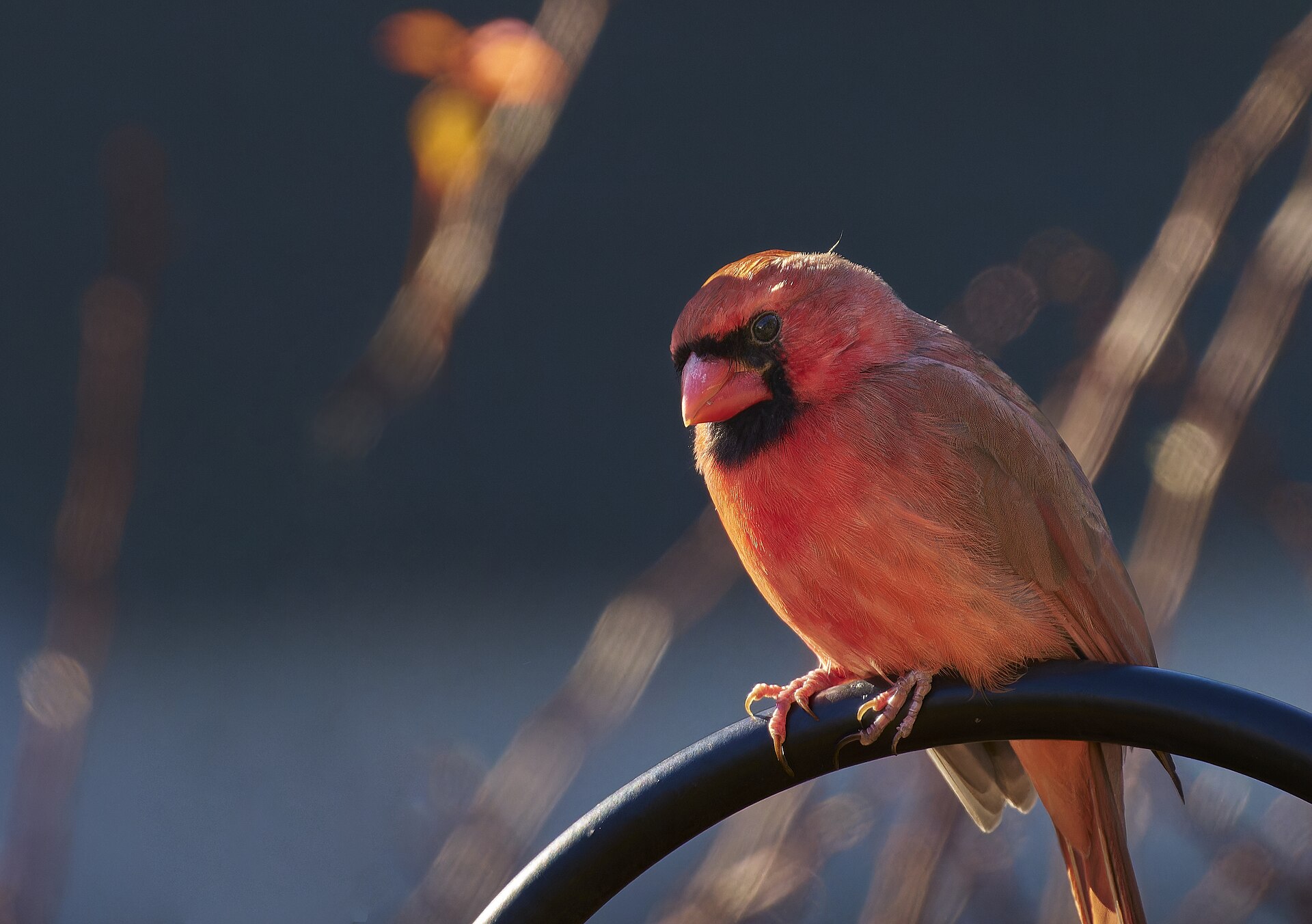
Rose-breasted Grosbeak
A striking forest-edge visitor that may pause at a quiet yard during migration or breeding where mature trees and cover remain connected.
By Birdly Yard Editorial TeamReviewed Updated
Local season
Months with a state-level historical signal for this species.
Status
Historical seasonal record
Look for it
Watch upper branches and leafy forest edges, especially in spring migration, then listen for its rich song from a high perch.
Food
Insects, spiders, berries, and seeds; breeding adults rely heavily on insects for their young.
Nesting
Natural nesting guidance
One useful next step
Build for the habitat, not just the feeder.
Deciduous woodland, forest edges, tall shrubs, and mature trees provide the layered cover this species uses.
See the yard actionsA good yard is layered
Food helps, but cover, clean water, native plants, and a safe distance from hazards make a more dependable place for birds.
Rose-breasted Grosbeak habitat
Deciduous woodland, forest edges, tall shrubs, and mature trees provide the layered cover this species uses.
Rose-breasted Grosbeak diet and food
Insects, spiders, berries, and seeds; breeding adults rely heavily on insects for their young.
A platform feeder with sunflower, safflower, or unsalted raw peanuts can be useful, but mature cover matters more than a feeder.
How to attract it
Food & feeder
Insects, spiders, berries, and seeds; breeding adults rely heavily on insects for their young.
Cover & plants
Deciduous woodland, forest edges, tall shrubs, and mature trees provide the layered cover this species uses.
Rose-breasted Grosbeak nesting and breeding
Builds an open cup nest in a tree or tall shrub; both adults share incubation and care, so active nest areas need distance.
Rose-breasted Grosbeak behavior and where to look
Forages deliberately among leaves and branches, often staying high or within dense foliage before dropping to a feeder.
Photography
Use a distant natural perch near the woodland edge and let birds choose their own approach to a feeder.
What to avoid
Do not treat a migration stop as a promise of a breeding bird, and never use playback or bait near a nest.
Continue exploring
Explore related bird guides
Compare food, habitat and nesting. Local seasonal records vary by species.