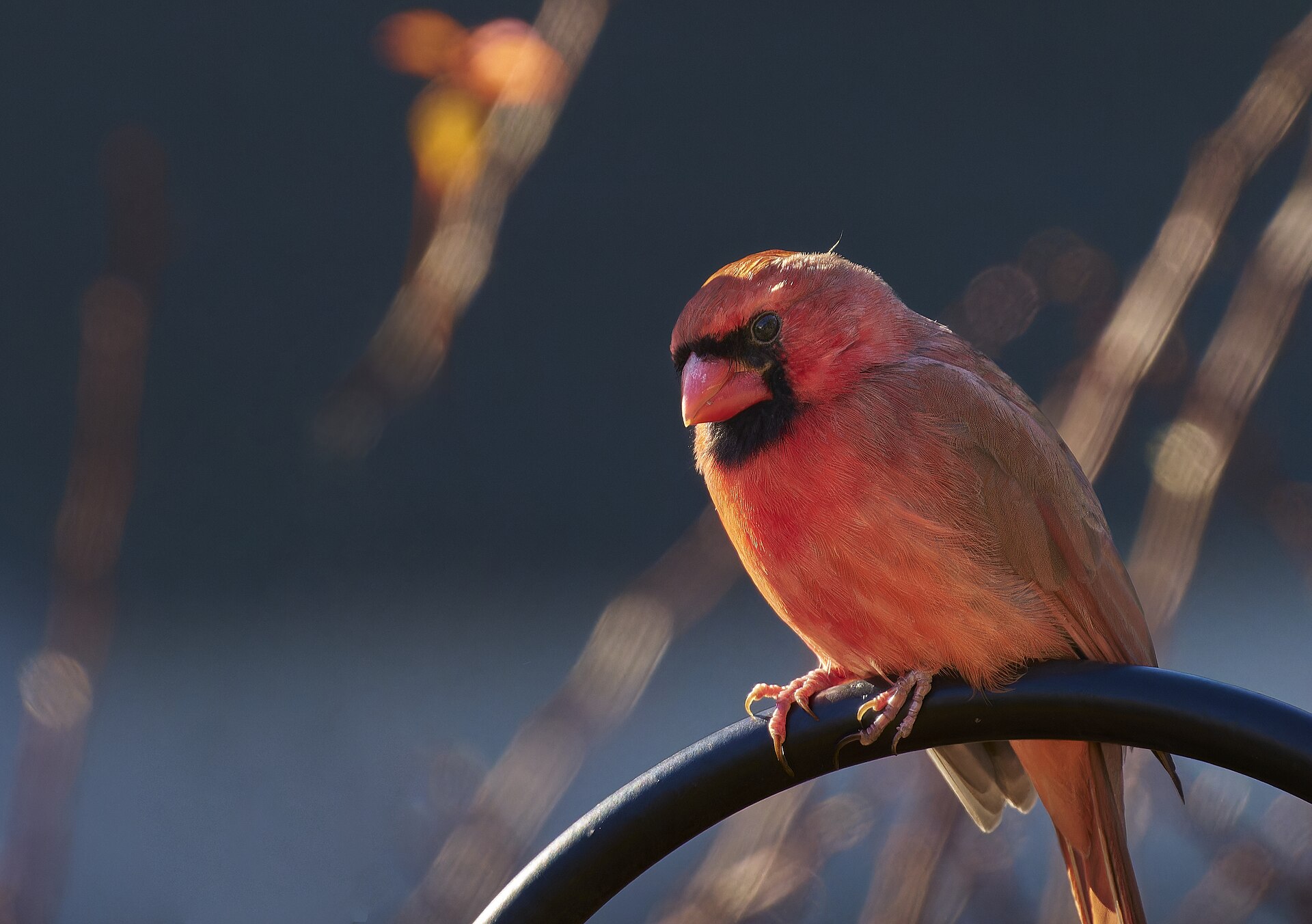
Pine Grosbeak
A large northern finch that may visit sunflower feeders during winter movements but depends on boreal and mountain conifer habitat.
By Birdly Yard Editorial TeamReviewed Updated
Local season
Months with a state-level historical signal for this species.
Status
Backyard reports
Look for it
Look in open spruce, fir, pine, and subalpine forest, or at northern winter feeders and fruiting trees during irruption years.
Food
Buds, seeds, fruit, needles, and summer insects or spiders; black-oil sunflower and suet are common feeder foods.
Nesting
Natural nesting guidance
One useful next step
Build for the habitat, not just the feeder.
Retain evergreen trees and fruiting mountain ash, maple, and ash; treat unusual southern feeder appearances as irruptions, not a promise.
See the yard actionsA good yard is layered
Food helps, but cover, clean water, native plants, and a safe distance from hazards make a more dependable place for birds.
Pine Grosbeak habitat
Retain evergreen trees and fruiting mountain ash, maple, and ash; treat unusual southern feeder appearances as irruptions, not a promise.
Pine Grosbeak diet and food
Buds, seeds, fruit, needles, and summer insects or spiders; black-oil sunflower and suet are common feeder foods.
Use a large tube, platform, or hopper with black-oil or hulled sunflower, plus clean water, only when birds are naturally present.
How to attract it
Food & feeder
Buds, seeds, fruit, needles, and summer insects or spiders; black-oil sunflower and suet are common feeder foods.
Cover & plants
Retain evergreen trees and fruiting mountain ash, maple, and ash; treat unusual southern feeder appearances as irruptions, not a promise.
Pine Grosbeak nesting and breeding
Builds a concealed cup in evergreen trees, commonly near the trunk; do not offer a box or approach a breeding tree.
Pine Grosbeak behavior and where to look
Moves slowly through branches or hops on the ground, often traveling in small winter groups that follow seed and fruit crops.
Photography
Photograph quietly from a feeder or fruiting tree and keep distance around an irruptive flock.
What to avoid
Do not crowd rare winter flocks, use food to bait in sensitive habitat, or assume a one-year arrival will repeat.
Continue exploring
Explore related bird guides
Compare food, habitat and nesting. Local seasonal records vary by species.