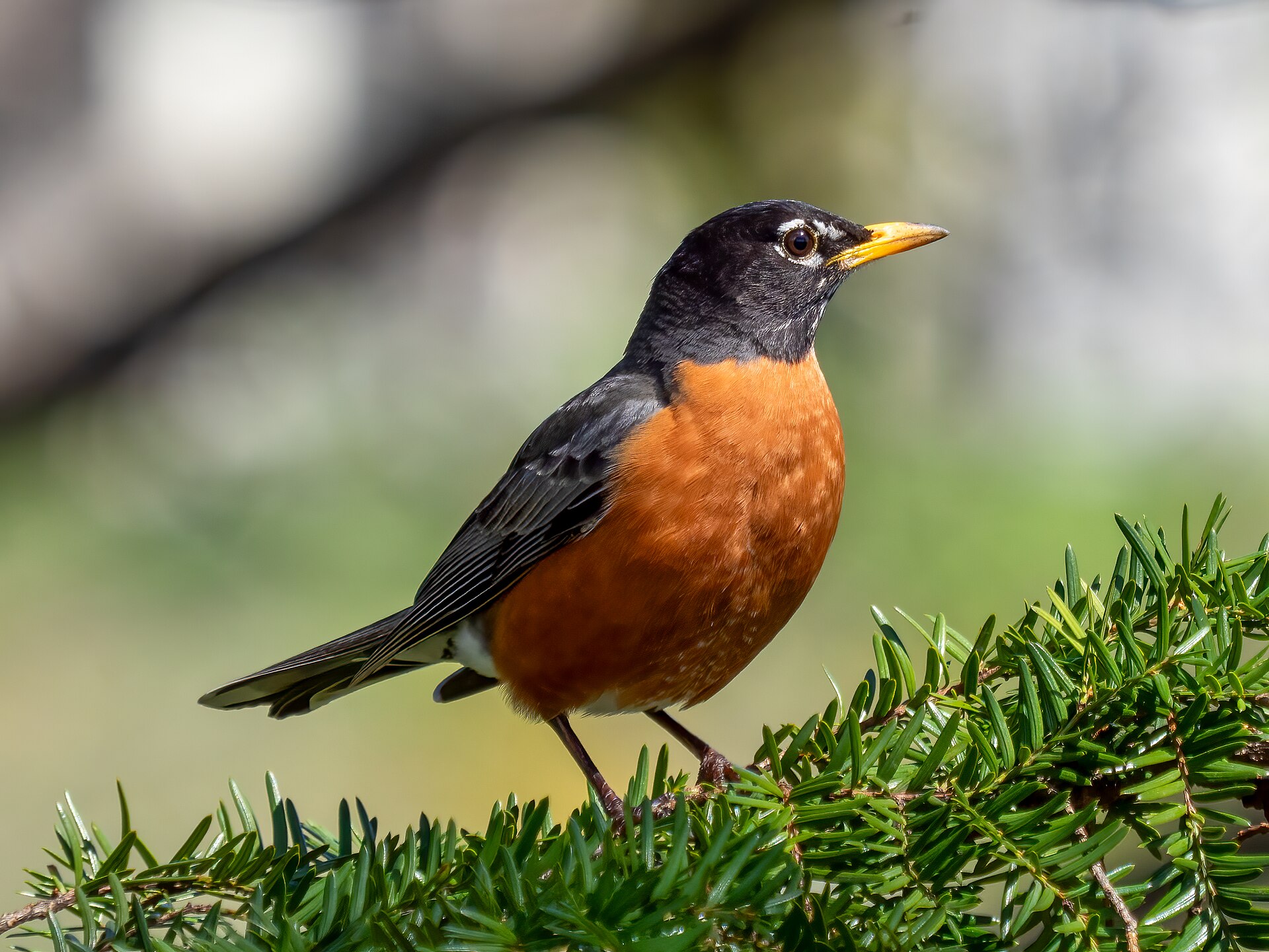
Northern Mockingbird
A vocal, territorial neighborhood bird that favors lawns and fruiting shrubs rather than conventional seed feeders.
By Birdly Yard Editorial TeamReviewed Updated
Local season
Months with a state-level historical signal for this species.
Status
Historical seasonal record
Look for it
Look high on shrubs, poles, and utility lines, or hopping across open lawn near fruiting cover.
Food
Insects, fruit, and berries; it seldom relies on a feeder.
Nesting
Natural nesting guidance
One useful next step
Build for the habitat, not just the feeder.
A mix of open lawn with mulberries, hawthorns, blackberry brambles, or other fruiting cover fits this species well.
See the yard actionsA good yard is layered
Food helps, but cover, clean water, native plants, and a safe distance from hazards make a more dependable place for birds.
Northern Mockingbird habitat
A mix of open lawn with mulberries, hawthorns, blackberry brambles, or other fruiting cover fits this species well.
Northern Mockingbird diet and food
Insects, fruit, and berries; it seldom relies on a feeder.
Prioritize fruiting trees and shrubs over a standard seed feeder.
How to attract it
Food & feeder
Insects, fruit, and berries; it seldom relies on a feeder.
Cover & plants
A mix of open lawn with mulberries, hawthorns, blackberry brambles, or other fruiting cover fits this species well.
Northern Mockingbird nesting and breeding
Builds nests in shrubs; preserve fruiting and dense shrub structure during the breeding season.
Northern Mockingbird behavior and where to look
Sings long sequences that mimic many other birds and actively defends its territory.
Photography
Use an open lawn edge and a long lens; avoid approaching a territorial bird or an active shrub nest.
What to avoid
Do not expect a seed feeder to attract it, and do not disturb nesting shrubs simply because the bird is conspicuous.
Continue exploring
Explore related bird guides
Compare food, habitat and nesting. Local seasonal records vary by species.