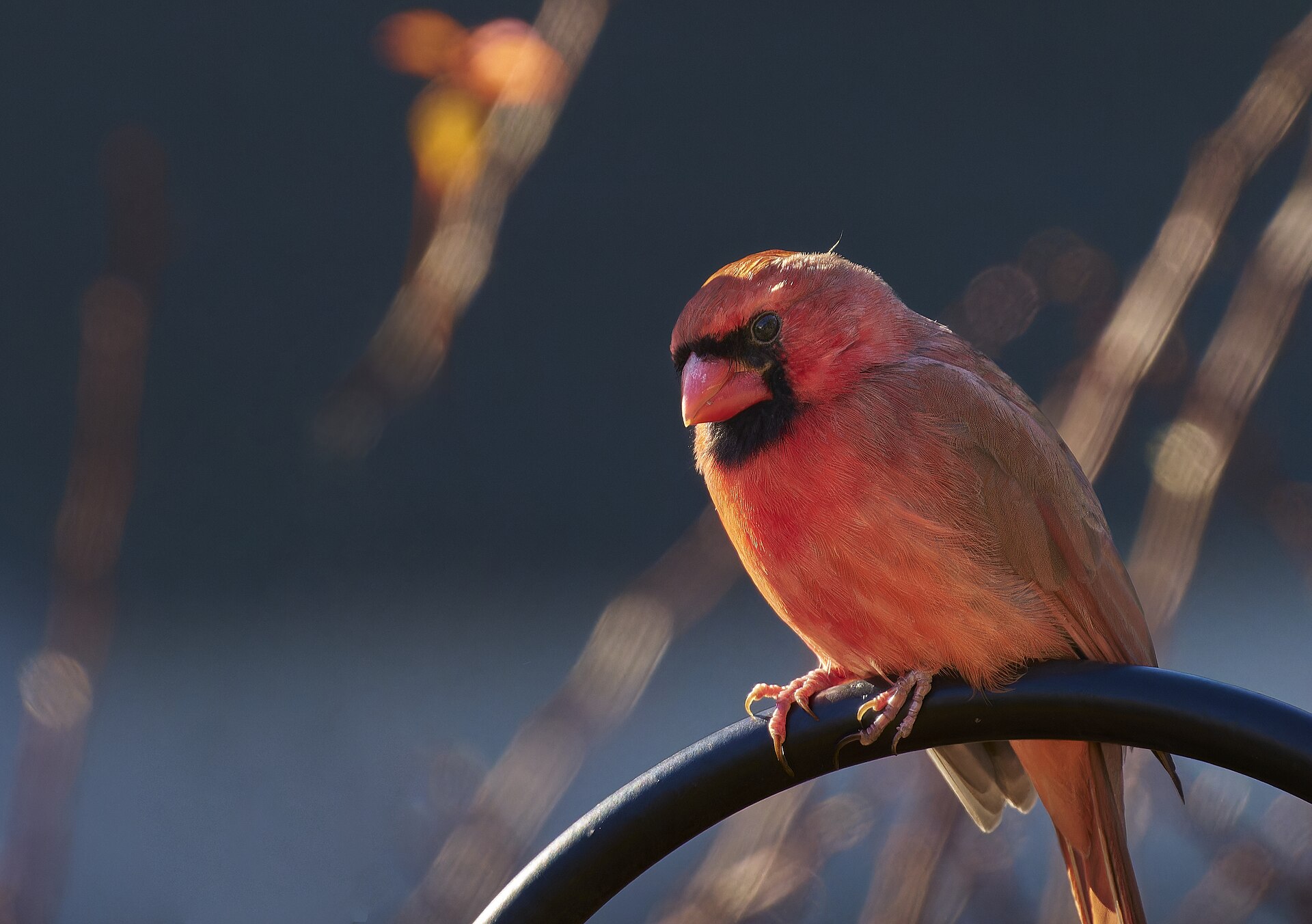
Indigo Bunting
A vivid summer songbird that favors weedy, brushy edges and may visit for small seed when cover is nearby.
By Birdly Yard Editorial TeamReviewed Updated
Local season
Months with a state-level historical signal for this species.
Status
Historical seasonal record
Look for it
Look along hedgerows, tall shrubs, weedy field edges, and high singing perches near low seed-bearing vegetation.
Food
Small seeds, berries, buds, and insects, especially through the summer breeding period.
Nesting
Natural nesting guidance
One useful next step
Build for the habitat, not just the feeder.
Brushy field and woodland edges, overgrown patches, seed-bearing plants, and shrubs are the key ingredients.
See the yard actionsA good yard is layered
Food helps, but cover, clean water, native plants, and a safe distance from hazards make a more dependable place for birds.
Indigo Bunting habitat
Brushy field and woodland edges, overgrown patches, seed-bearing plants, and shrubs are the key ingredients.
Indigo Bunting diet and food
Small seeds, berries, buds, and insects, especially through the summer breeding period.
Offer small seed such as nyjer or thistle only as part of a brushy, insect-rich yard rather than in open isolation.
How to attract it
Food & feeder
Small seeds, berries, buds, and insects, especially through the summer breeding period.
Cover & plants
Brushy field and woodland edges, overgrown patches, seed-bearing plants, and shrubs are the key ingredients.
Indigo Bunting nesting and breeding
Nests concealed low in shrubs or weedy vegetation, usually close to the ground.
Indigo Bunting behavior and where to look
Males sing from high shrubs, trees, or wires while birds forage lower in vegetation; they often flock during migration.
Photography
Use a long lens from the edge of brushy habitat and never force a bird out of low nesting cover.
What to avoid
Do not mow, clear, or heavily tidy brushy edge habitat during breeding season.
Continue exploring
Explore related bird guides
Compare food, habitat and nesting. Local seasonal records vary by species.