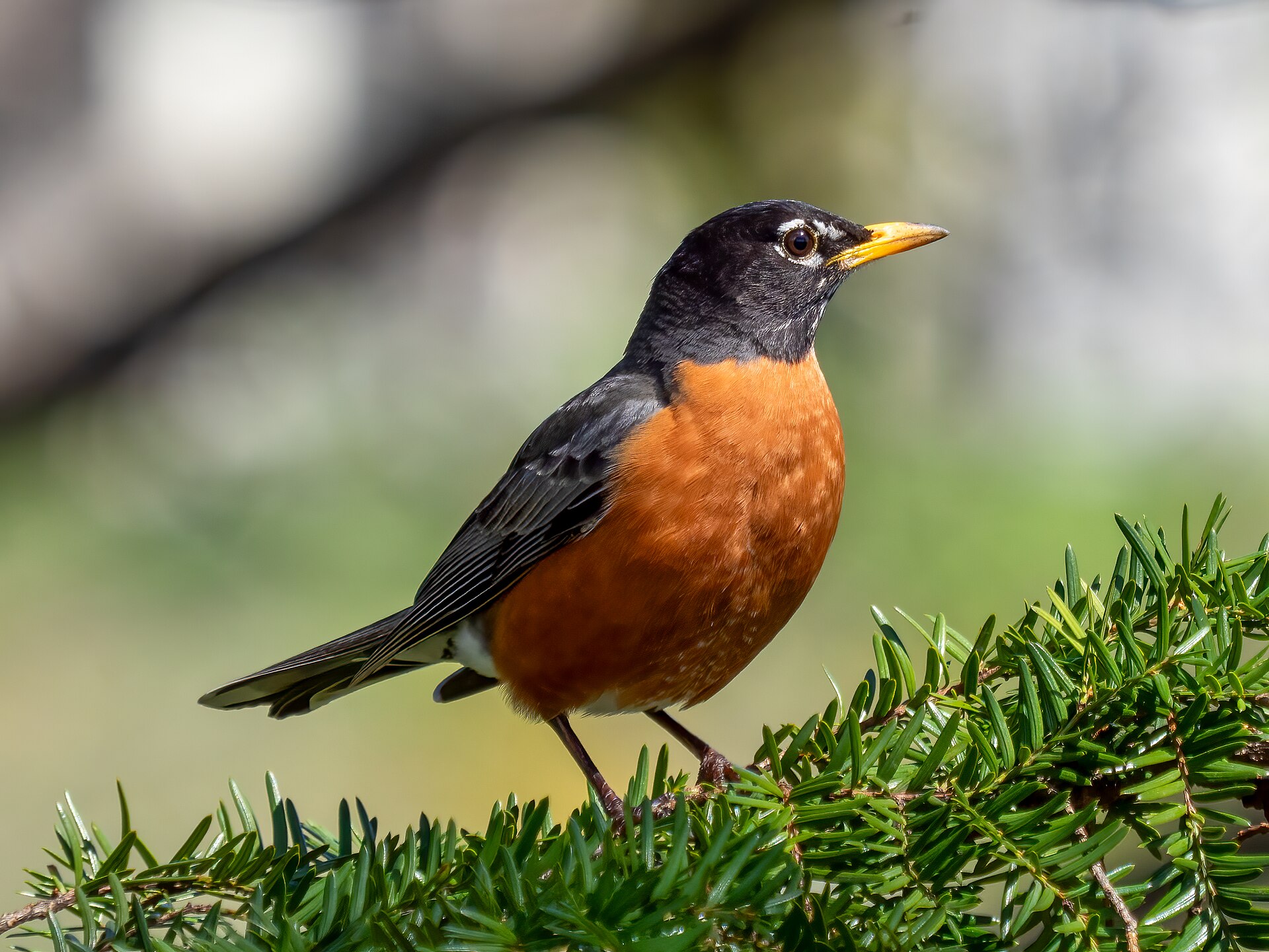
Eastern Bluebird
A blue flash over open lawn, especially where insects, low perches, and open sightlines come together.
By Birdly Yard Editorial TeamReviewed Updated
Local season
Months with a state-level historical signal for this species.
Ways to support Eastern Bluebird
Choose a starting point for Eastern Bluebird. Open a setup to see the supplies, steps and checks for your location.
Native fruit in season
Locally suitable plants with ripe fruit
See setup & checksLive mealworms
Supplementary food on a clean tray
See setup & checksA bluebird nest box
An open-area box, subject to site checks
See setup & checksResource illustrations are not complete nest-box designs or a promise of visits.
Status
Historical seasonal record
Look for it
Watch fence lines, short posts, and open lawn near scattered trees.
Food
Insects, mealworms, and seasonal berries.
Nesting
Nest-box guidance available
Eastern Bluebird habitat
Open lawn or orchard-like space with scattered trees, low perches, and limited pesticide use.
Eastern Bluebird diet and food
Insects, mealworms, and seasonal berries.
A tray feeder with mealworms can help, but habitat and open foraging space matter more.
Eastern Bluebird nesting and breeding
Can use a correctly placed bluebird box in open habitat. Placement and monitoring matter as much as the box itself.
Box specification
1 1/2 in round entrance, 3–6 high, at least 300 apart.
Placement
Install before breeding season; entrance toward open habitat.
Install and maintain outside active nesting; do not touch, move, or repeatedly disturb an active nest.
Eastern Bluebird behavior and where to look
Often scans from a low perch, then drops to the ground to catch prey.
Photography
A simple fence post or natural perch set away from the nest box produces calmer photographs.
What to avoid
Avoid placing bluebird boxes directly beside dense brush or competitive house sparrow nesting sites.
Continue exploring
Explore related bird guides
Compare food, habitat and nesting. Local seasonal records vary by species.