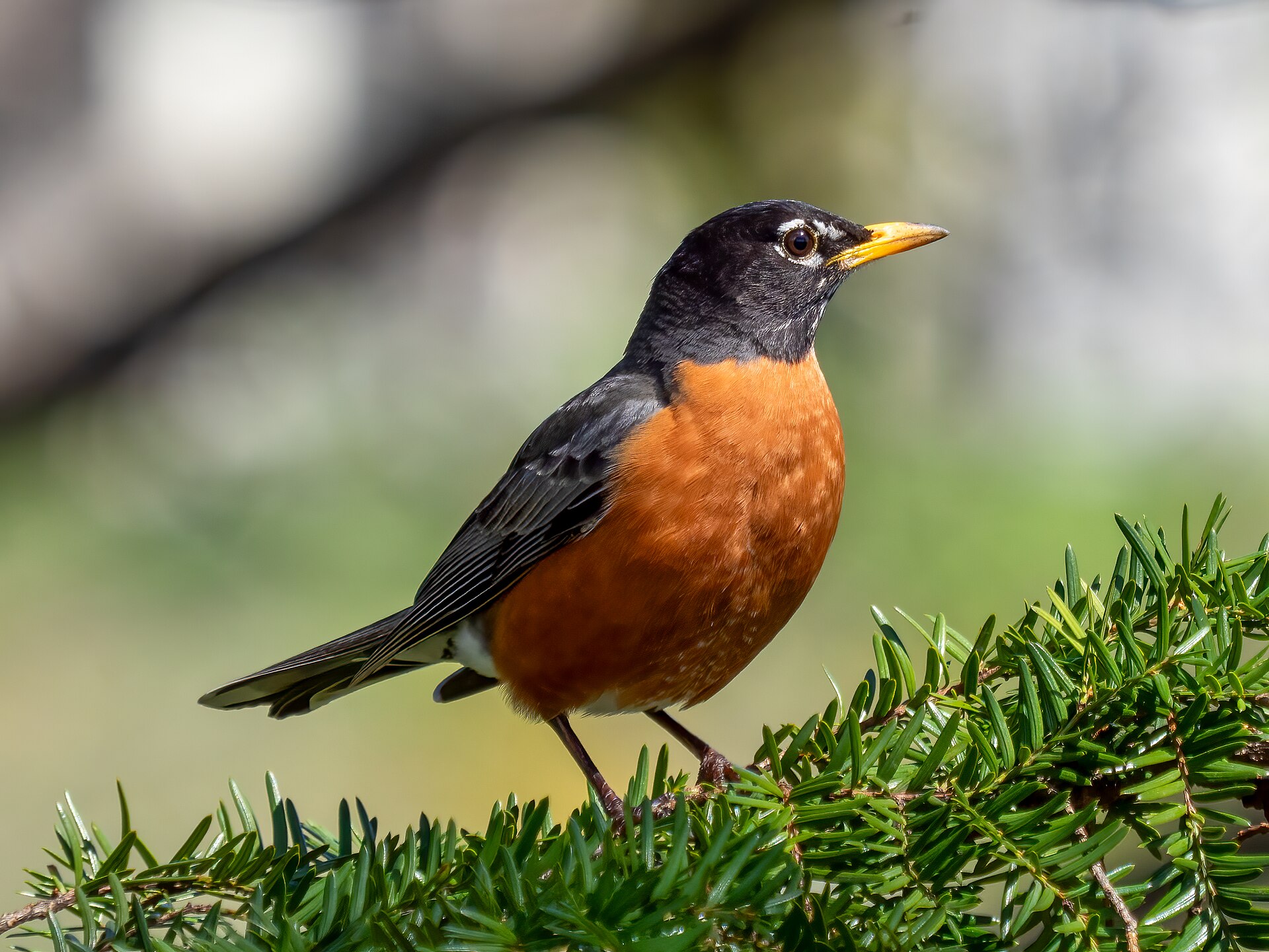
Bohemian Waxwing
A nomadic northern waxwing that may briefly visit a fruiting yard in winter; native fruiting plants are more useful than feeders.
By Birdly Yard Editorial TeamReviewed Updated
Local season
Months with a state-level historical signal for this species.
Status
Backyard reports
Look for it
Look in fruiting trees and shrubs, parks, roadsides, open woodland, and northern urban areas from fall through spring.
Food
Insects in breeding season and mostly berries, dried fruit, sap, and other fruit during the nonbreeding season.
Nesting
Natural nesting guidance
One useful next step
Build for the habitat, not just the feeder.
Open evergreen or mixed forest near water for breeding; fruit-rich urban parks, woodland, and roadsides in winter.
See the yard actionsA good yard is layered
Food helps, but cover, clean water, native plants, and a safe distance from hazards make a more dependable place for birds.
Bohemian Waxwing habitat
Open evergreen or mixed forest near water for breeding; fruit-rich urban parks, woodland, and roadsides in winter.
Bohemian Waxwing diet and food
Insects in breeding season and mostly berries, dried fruit, sap, and other fruit during the nonbreeding season.
Late-holding native fruit is the best attraction; platform feeder visits are unpredictable and should not be relied upon.
How to attract it
Food & feeder
Insects in breeding season and mostly berries, dried fruit, sap, and other fruit during the nonbreeding season.
Cover & plants
Open evergreen or mixed forest near water for breeding; fruit-rich urban parks, woodland, and roadsides in winter.
Bohemian Waxwing nesting and breeding
Builds a cup on a horizontal evergreen, aspen, or alder branch near a northern forest edge or wetland.
Bohemian Waxwing behavior and where to look
Roams in large social flocks, descending quickly on fruiting shrubs and moving on once the crop is gone.
Photography
Keep distance around a fruiting tree and make nearby windows visible to prevent collisions.
What to avoid
Do not use fermented or spoiled fruit, and do not assume an irruptive flock will return each year.
Continue exploring
Explore related bird guides
Compare food, habitat and nesting. Local seasonal records vary by species.