A practical backyard bird guide

How to attract more birds to your yard.

Provide the right combination of food, clean water, native plants, protective cover, and safety. Then use your state, season, and current yard conditions to choose the one change that matters most.

Bird-Friendly Yard Planner

Find the first change worth making.

Tell us what the yard already provides and what is going wrong. The planner checks safety first, then compares the missing resources with birds that may be relevant in your state this month.

Your place and goal

What is already available?

Check only resources that are usable and maintained now.

What are you trying to solve?
Safety and practical limits

These can change what should happen first.

Five connected foundations

What does a bird-friendly yard need?

A feeder is one feature. Birds stay when food, water, plant layers, cover, and safety work together.

Swipe to explore

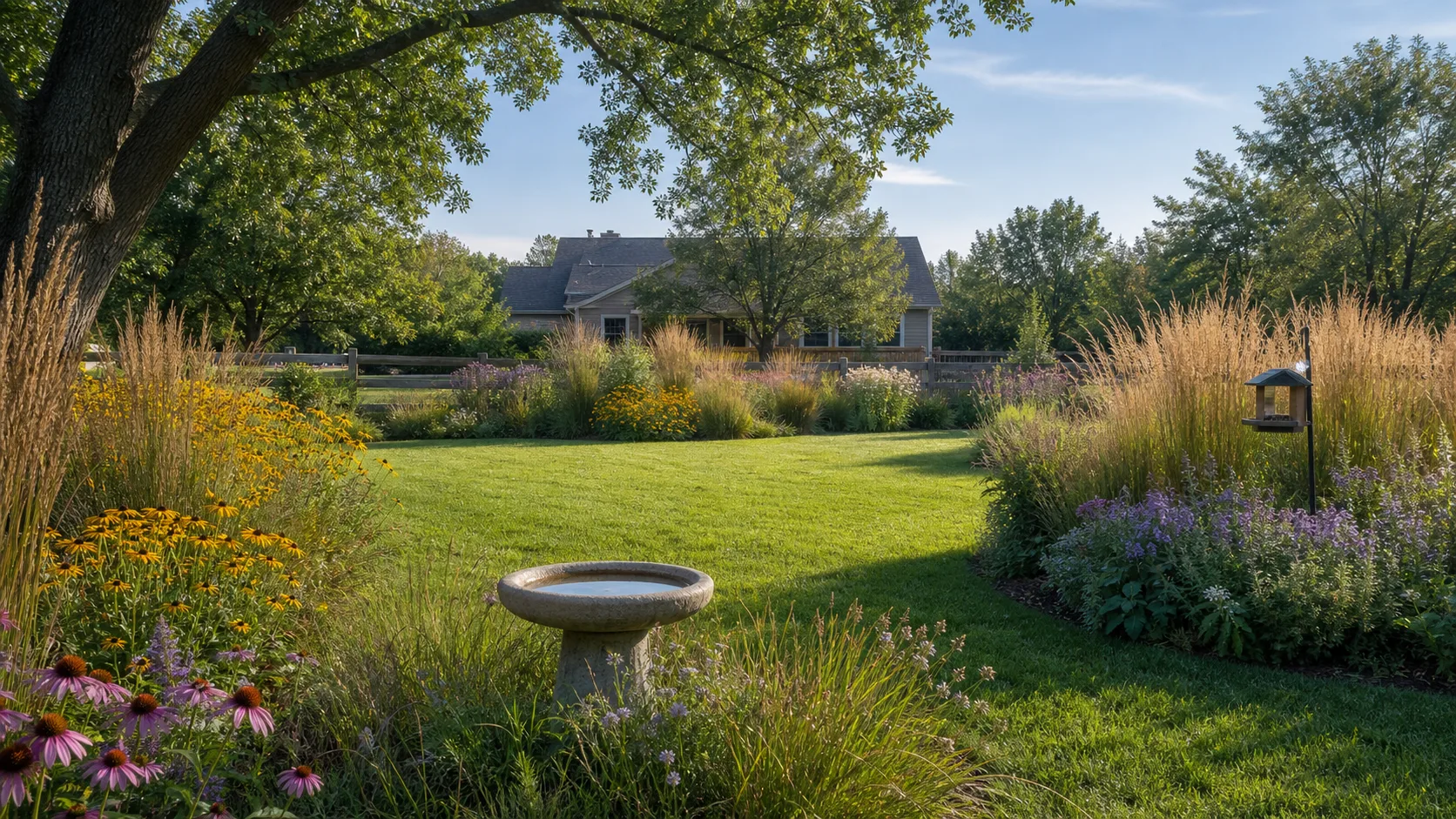
A bird-friendly prairie yard with native grasses, flowers, and feeding habitat

01

Food that fits the bird

Grow natural food first, then match feeders to local birds.

Why it matters

Use native plants and natural food webs as the base. If you feed birds, match food and feeder style to the species, keep seed dry, and prevent crowding.

A planted backyard with a shallow birdbath near flowers and protective trees

02

Clean shallow water

Make water easy to enter, easy to leave, and easy to keep clean.

Why it matters

Offer safe footing, an easy exit, good visibility, and a nearby retreat. Refresh and clean the water often enough to keep it dependable.

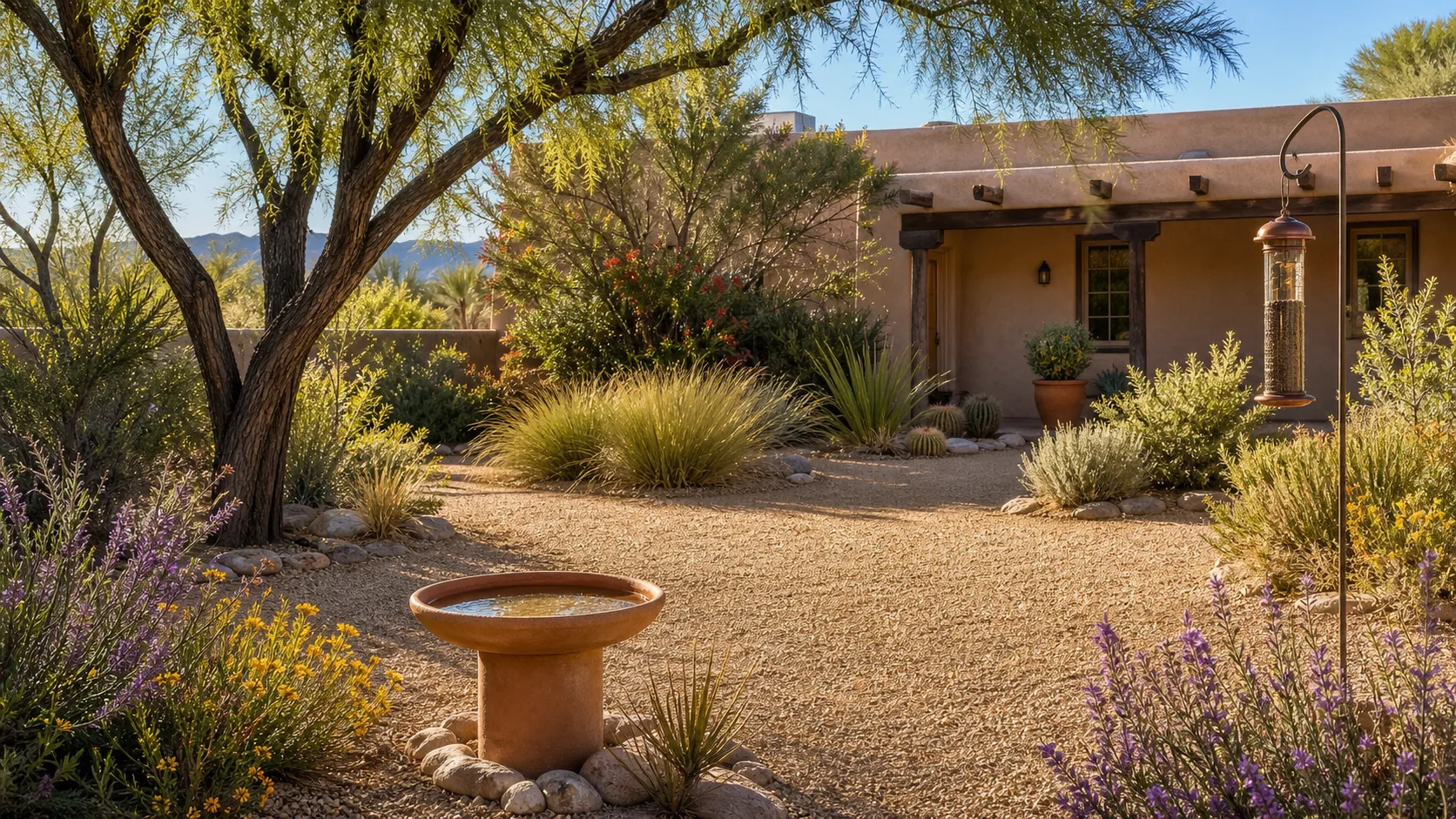
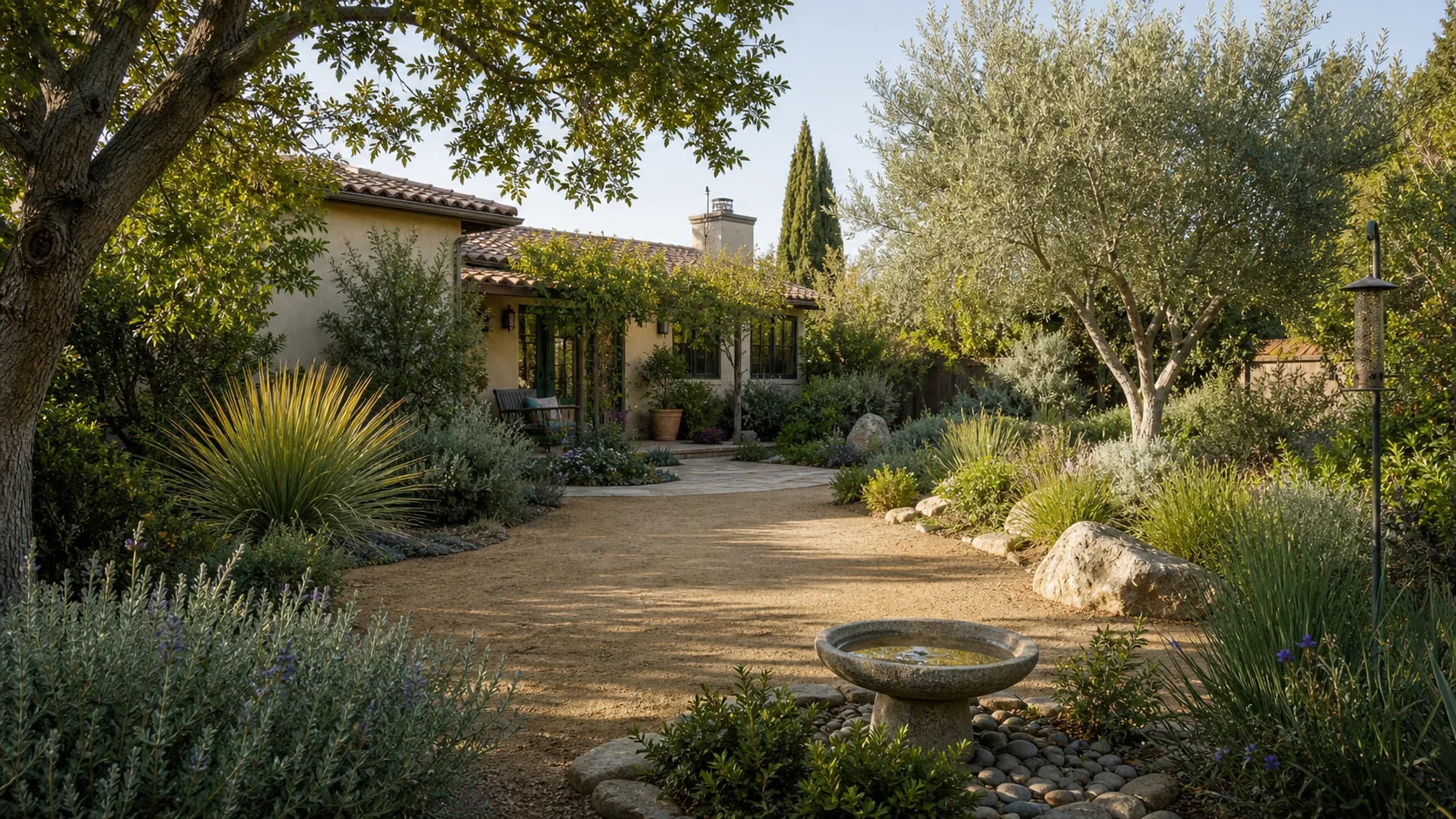
A dry-climate backyard with layered plants, mature trees, and a birdbath

03

Native plant layers

Combine low plants, shrubs, and trees instead of relying on one layer.

Why it matters

Combine ground cover, flowers, grasses, shrubs, and trees where space permits. Different layers provide insects, seeds, fruit, nectar, shelter, and nest structure.

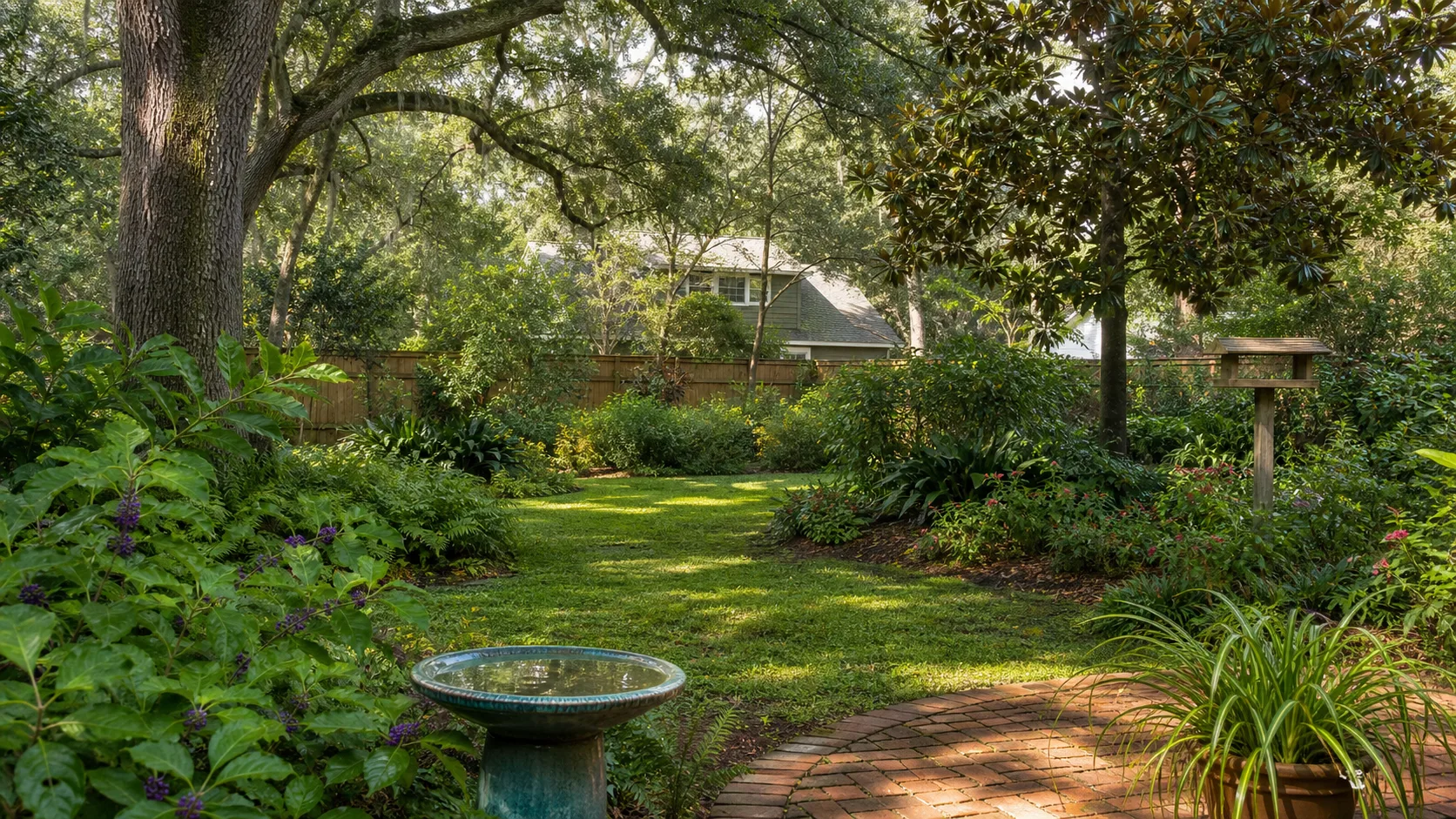
A shaded backyard with trees, shrubs, open lawn, and connected bird cover

04

Cover and room to move

Connect resources to shelter while keeping feeding areas visible.

Why it matters

Connect food and water to protective vegetation without creating hidden ambush points. Birds should be able to approach, retreat, and rest safely.

A carefully maintained summer backyard designed with open views and shelter

05

A safer home landscape

Remove the preventable hazards that can cancel out good habitat.

Why it matters

Reduce collision risk, keep cats from hunting, avoid unnecessary pesticides, and maintain feeders, baths, and nest boxes responsibly.

If the yard stays quiet

Troubleshoot before adding more gear

Look for one limiting factor at a time. Season, exposure, resource fit, or disturbance usually explains a quiet setup.

A summer backyard where seasonal bird activity may change

The season shifted

Natural food, migration, and weather can change activity quickly.

An open courtyard with planting and shelter around the edges

The setup feels exposed

Birds need a visible approach and a safe retreat close enough to use.

A planted prairie yard offering several types of natural resources

The resource is a mismatch

Food, feeder style, water depth, or placement may not fit local birds.

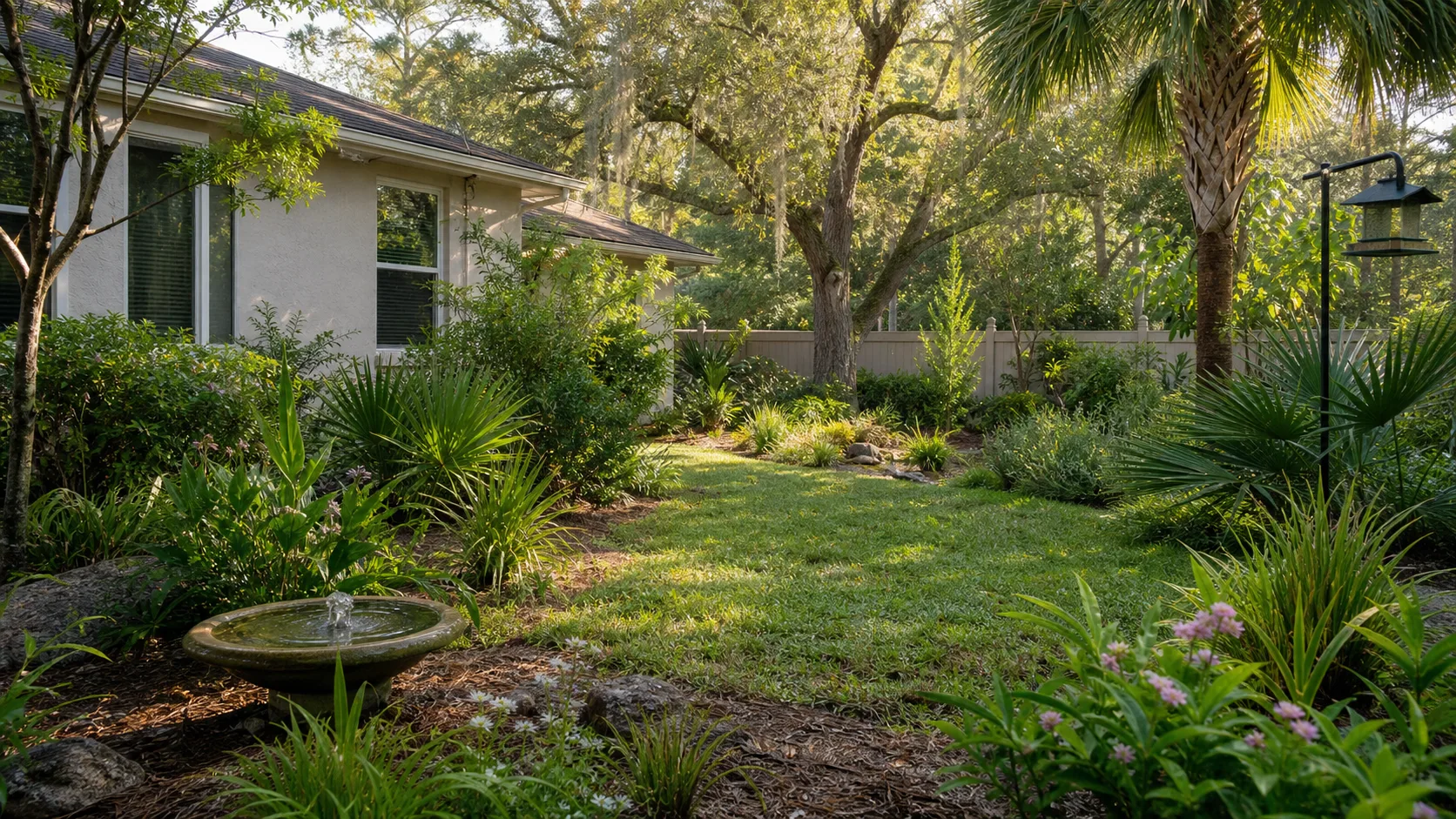
A residential Gulf Coast yard with open sightlines and dense cover

Something is disturbing them

Cats, predators, construction, or frequent movement can interrupt visits.

Run the full troubleshooting check

Birds may need time to discover a new feeder or water source. If they are active nearby but avoid it, check wind, approach, cover, and whether the resource fits the way local birds feed.

If visits stopped, consider natural food, weather, migration, construction, tree loss, cats, and birds of prey before assuming the equipment failed.

Keep the setup consistent, observe at quiet times, and change one factor at a time so you can identify the limiting factor.Project FeederWatch explains more.

A low-water bird-friendly yard with native-style plants and mature trees

Attract birds without a feeder

Build natural food, water, and shelter that works all day—not only when seed is available.

What to add

Use locally native flowers, grasses, shrubs, and trees. Add clean water, leave some seed heads and leaf litter where appropriate, reduce pesticide use, and preserve layered cover. These changes support birds that rarely use seed feeders.

A shaded yard with mature trees, dense shrubs, and protected nesting structure

Support nesting birds safely

Protect natural nesting structure first; add a nest box only when it fits a local cavity-nesting species.

Nesting safety checklist

Preserve mature trees, dense shrubs, safe cavities, and appropriate ground cover. Match any box to the correct entrance, dimensions, placement, and maintenance. Never open, move, or disturb an active nest to improve a view.

Cornell NestWatch guidance

Observe, learn, adjust

What does progress look like?

Do not wait for a perfect sighting. Watch for three smaller signs that your yard is becoming useful.

A Western Tanager pausing on a branch before approaching

01

Approach

Birds pause, call, or inspect the resource from nearby cover.

An Anna’s Hummingbird using flowers as a food resource

02

Use

They drink, bathe, forage, feed, perch, or move through plant layers.

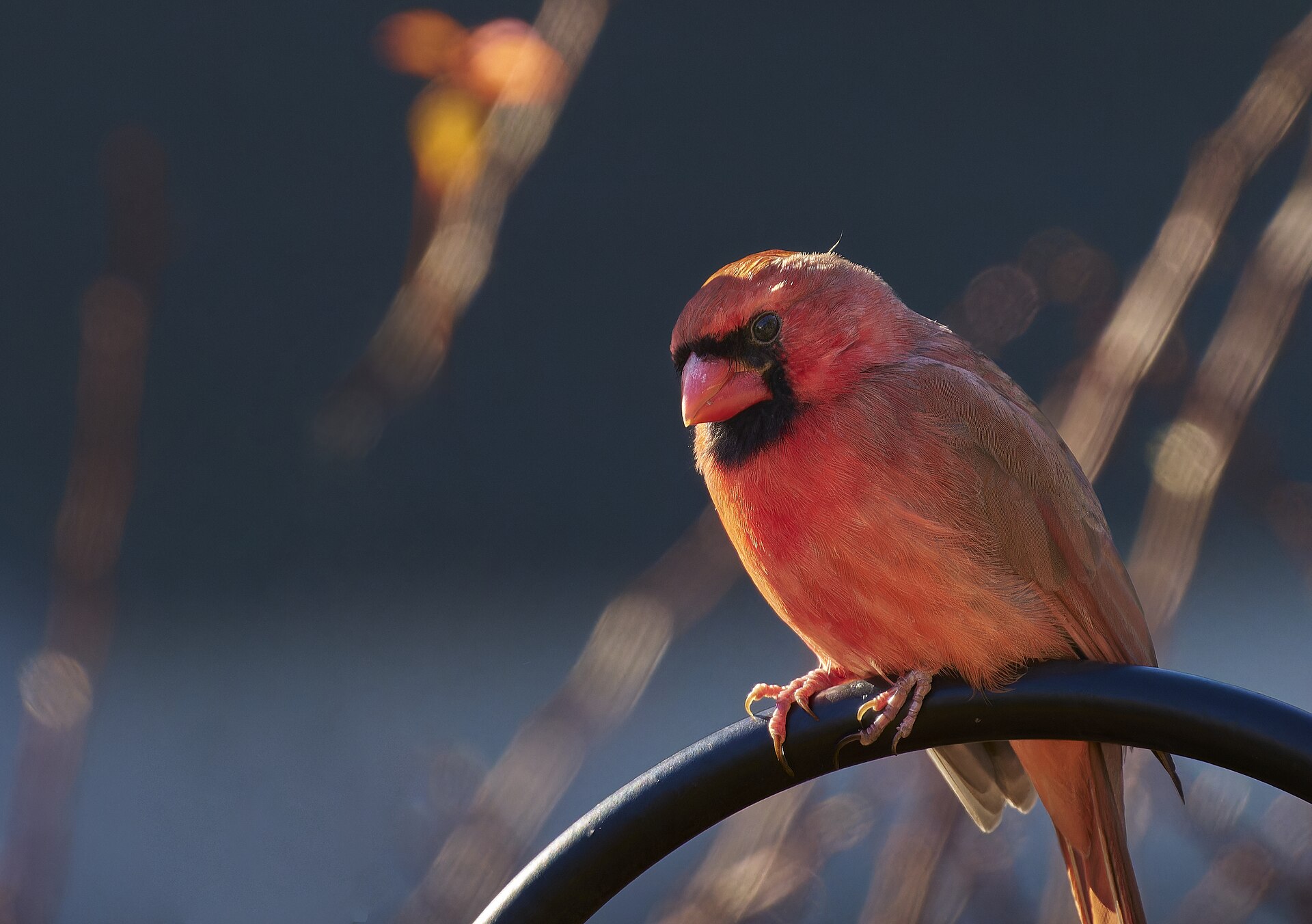
A Northern Cardinal returning to a familiar backyard perch

03

Return

Repeat visits show the resource is becoming part of a routine.

Why results take time

There is no reliable promise that a particular bird will arrive within a set number of days. Discovery time, migration, weather, nearby habitat, natural food, predators, and observation time all affect what you see. Compare observations across several days before changing the setup again.

Reviewed guidance

By the Birdly Yard Editorial Team. Reviewed August 12, 2026.

Sources and scope

Guidance is synthesized from the Cornell Lab of Ornithology, Project FeederWatch, NestWatch, Smithsonian National Zoo, Audubon, the National Wildlife Federation, and the U.S. Fish and Wildlife Service. Birdly Yard uses state-level seasonal signals to identify relevant candidates. It does not predict an individual sighting or replace local wildlife, gardening, or veterinary advice.